The finish of a wood floor influences its colour, sheen, texture and response to everyday use. It can preserve the raw appearance of freshly worked timber, enrich the natural grain or introduce an entirely new surface through paint, metal leaf and other specialist treatments.
Within our wider family of brands, Woodworks by Ted Todd brings this part of floorcraft into close focus. Ted Todd’s sister brand specialises in extraordinary British floorcraft, including handmade modern floors and the restoration of historic, antique and reclaimed woods.
Many Woodworks finishes are developed and applied by extraordinary makers in the Cheshire workshops. Each is selected to work with the timber, surface texture and demands of the project.
These artisan finishes belong to the Woodworks portfolio. Every Ted Todd floor carries its own finish and care specification, which can be found on the relevant product page.

What is a wood floor finish?
A finish is the treatment applied to the surface of a wood floor. It contributes to the floor’s appearance and provides an appropriate level of protection for the timber.
Finish and texture are closely connected. Texture describes the physical character of the surface, including brushing, sanding, saw marks and hand-worked undulations. The finish settles into and across that texture, changing the way the grain catches the light and feels underfoot.
Colour is another important consideration. Some finishes remain highly transparent, preserving the natural tone of the timber. Oils and waxes can deepen the colour and emphasise the grain. Painted and metallic treatments allow the surface to take on a more expressive character.
How Woodworks finishes are selected
Woodworks begins with the timber. Species, age, provenance, grade, texture and existing patina all influence the most appropriate finish.
This is particularly important when working with antique and reclaimed woods. Original wear, mellowed colour, repairs, nail marks and historic surface detail may have taken generations to develop. The finishing process is considered carefully so that these features remain legible within the completed floor.
Several Woodworks finishes are worked into the timber by hand and allowed to cure gradually between applications. Complex surfaces may require multiple stages to establish the intended tone, sheen and protection.
Samples and larger reference panels help specifiers understand how the complete combination will appear under the lighting conditions of a project.
Burnished hardwax oil
Burnished hardwax oil combines penetrating oils with waxes that protect the surface of the timber. It brings depth to the grain and develops a gentle lustre, making it especially effective across brushed, sawn and undulating woods.
Burnishing is part of the visual character. Light moves across the worked surface, revealing subtle changes in grain direction and texture. The final sheen can vary according to the selected Woodworks floor and its specification, ranging from satin to super matt.
Oil-finished floors require the correct cleaning and maintenance products. Periodic replenishment helps preserve the finish and supports localised renovation where appropriate.

Original polished patina
Patina is the surface character that develops as wood ages and experiences use. On an antique or reclaimed floor, this can include softened grain, tonal variation, historic marks and areas polished naturally through contact.
Woodworks’ makers assess and restore this original surface by hand. Careful cleaning, repair and polishing retain the qualities that give the timber its provenance. As an existing characteristic of the wood, original polished patina may form part of the surface specification alongside the chosen protective treatment.
Every reclaimed board has experienced a different history. Variation is therefore an essential part of a floor with original patina and should be reviewed through representative samples.
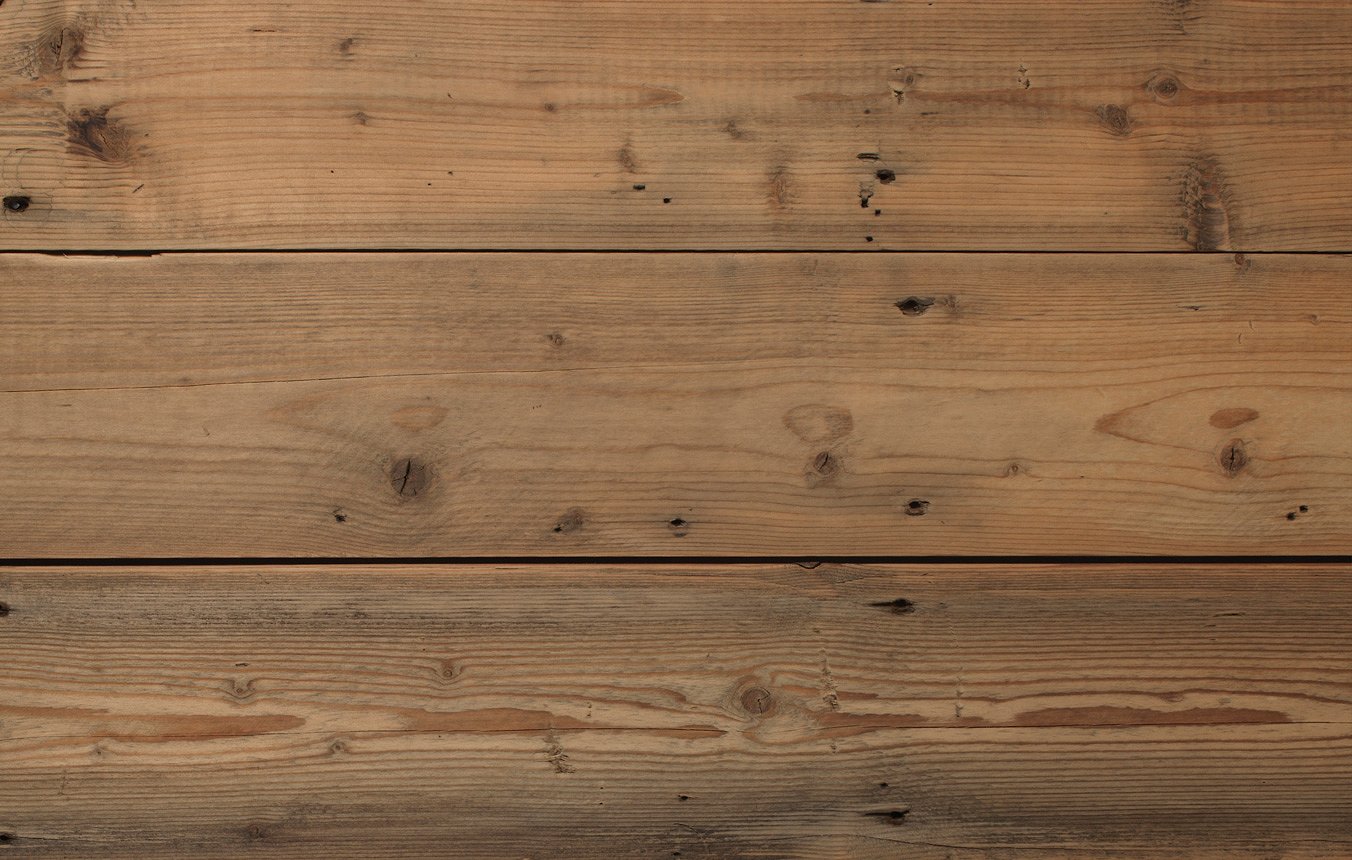
Air-dried organic oil
Organic oil penetrates the pores of the wood and enhances its natural colour. The finish can create a soft, low-sheen appearance with a tactile connection to the timber beneath.
Woodworks applies air-dried organic oil in carefully controlled stages. Gradual curing allows each application to settle into the surface before the next stage begins. The exact tone and sheen depend on the species, preparation and texture of the selected floor.
An organic oil finish can be maintained and replenished throughout the life of the floor. Following the specified care system is important, particularly in entrances, kitchens and other spaces exposed to regular use.

Hand-painted finishes
Hand painting introduces colour. The grain, texture and individual character of the wood remain visible beneath the treatment.
Woodworks can develop solid, layered, aged and distressed effects according to the required design direction.
The paint is worked in response to the surface of each board. Raised grain, saw marks and undulations influence where colour settles and where the timber remains more visible. This creates natural movement across a completed installation.
Hand-painted finishes can be developed for floors, walls, ceilings and architectural details. The intended application and expected wear should be discussed during specification.

Metal leaf
Metal leaf gives real wood a reflective surface. Grain and texture remain visible beneath the metallic detail. Copper and other metals can be applied selectively, creating changes in brightness as daylight moves through the room.
The handmade application gives every board its own distribution of metallic detail. A compatible clear lacquer can then be used to protect the treated surface and retain its distinctive appearance.
Metal leaf works particularly well when used across heavily textured timber, where the contrast between raised and recessed sections gives the surface greater depth. Alternative metals and bespoke treatments can be explored with the Woodworks specification team.

Naked Skin Lacquer®
Naked Skin Lacquer® is a transparent water-based finish developed to retain the appearance of untreated wood. Its clarity limits the colour enrichment commonly associated with oils and waxes, making it suited to pale, natural and carefully balanced tones.
The lacquer creates a soft-feel surface and is available in different sheen levels across the Woodworks collection. It can also protect specialist treatments such as metal leaf where the product specification allows.
As a lacquer system, maintenance centres on protecting the coating through regular cleaning with compatible products. The individual floor specification will identify the appropriate care system.

Specialist lacquer finishes
Some interiors carry specific performance requirements relating to wear, slip resistance or fire performance. Woodworks can advise on specialist lacquer options where enhanced or tested characteristics form part of the project specification.
Requirements should be established early, as the intended environment may influence the timber, construction, surface treatment and finish. Relevant technical data must be reviewed for the complete floor specification before approval and installation.

Oilwood Traffic
Oilwood Traffic creates a warm, low-reflection appearance with strong resistance to wear and liquids. It is often paired with mid, dark and black tones, where its visual depth complements the natural colour and worked texture of the timber.
The finish is available in different sheen levels across Woodworks floors. Its maintenance requirements are identified through the care system listed on the relevant product specification.
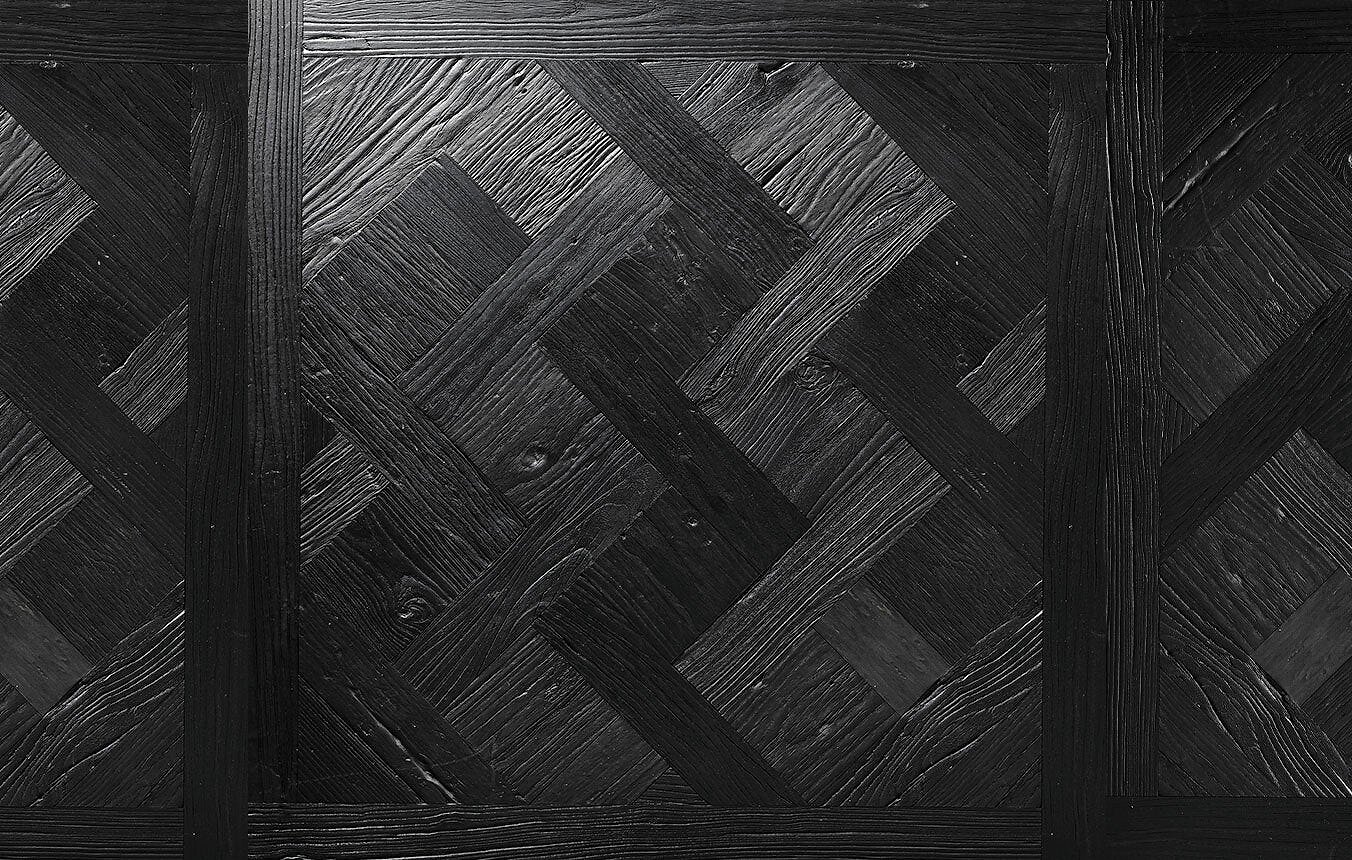
Unfinished wood flooring
An unfinished floor is supplied ready to receive its final treatment after installation. This approach allows the tone and sheen to be developed within the project and can be valuable when coordinating the floor with joinery, panelling or other timber elements.
Site finishing is also suited to intricate parquetry and bespoke patterns that require sanding or final preparation after fitting. The environment must be clean and stable, with sufficient programme time for application and curing.
The finish should be agreed before installation begins. Testing on representative timber will show how the selected treatment interacts with natural variation, reclaimed character and any hand-worked texture.

Choosing the right artisan finish
The visual direction of the project is one part of the decision. Footfall, room use, cleaning routines, sunlight and the required maintenance programme also shape the specification.
Consider the following:
- The natural colour and grain of the timber
- Existing patina and historic surface features
- Brushed, sawn, smooth or undulating texture
- The preferred sheen level
- Residential or commercial use
- Expected footfall and exposure to spills
- Project-specific performance requirements
- The desired approach to future maintenance and renovation
Samples should be viewed in the project space wherever possible. Natural and artificial light can change the appearance of colour, sheen and texture throughout the day.
Caring for a Woodworks finish
Each Woodworks floor is assigned a care system suited to its finish. Using the correct cleaning and maintenance products helps preserve the intended appearance and performance.
Routine care generally includes regular dry cleaning, prompt attention to spills and carefully controlled use of moisture. Oil-based finishes may require periodic replenishment. Lacquered surfaces have their own maintenance requirements and should be protected from abrasive or incompatible cleaning products.
Refer to the individual product specification and explore Ted Todd Floor Care for compatible care products and guidance.
Extraordinary craft, developed for the timber
An artisan finish completes the relationship between material, texture and tone. Through Woodworks by Ted Todd, our wider group can offer finishes shaped by the character of exceptional new, aged, antique and reclaimed woods.
Explore the complete collection of Woodworks floors, or speak to the Woodworks team about finishes, samples and the requirements of your project.