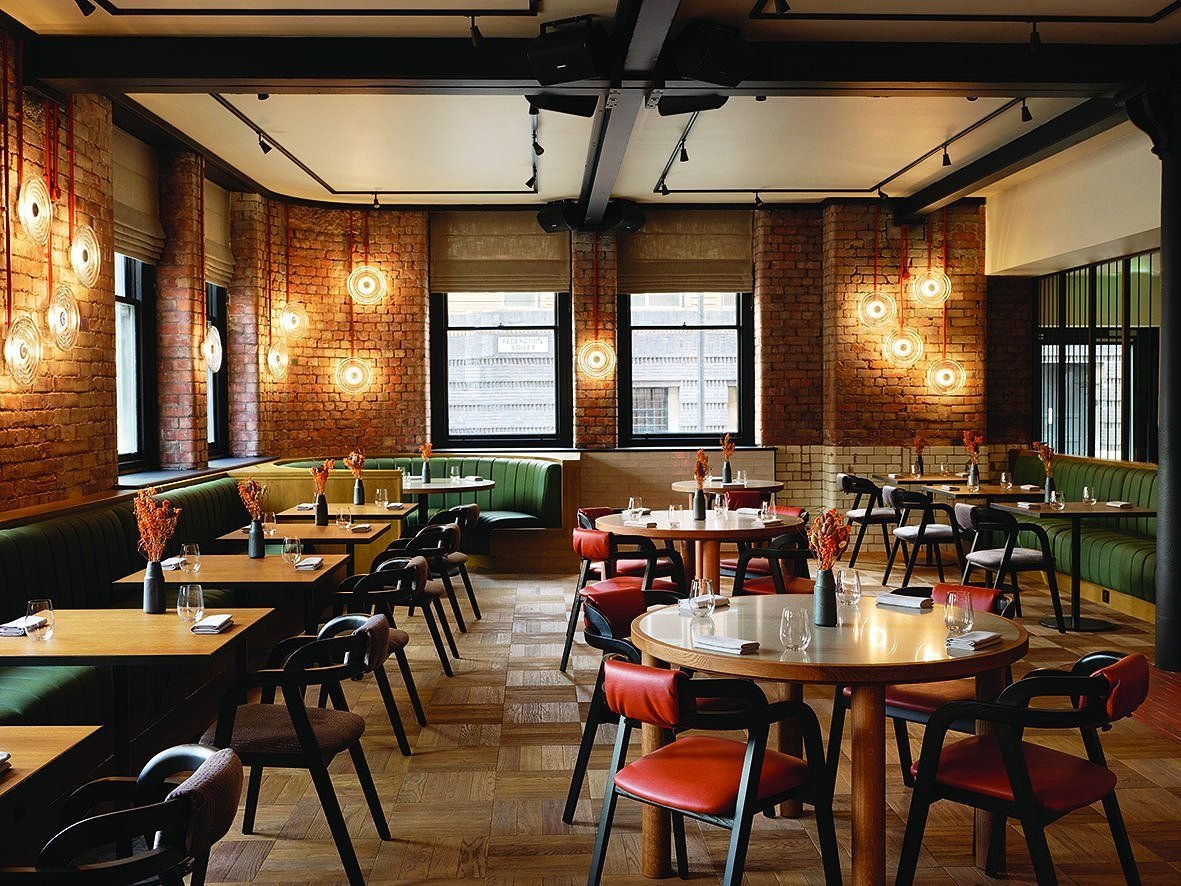
The way a wood floor is constructed affects how it performs, where it can be fitted and how it responds to changes in temperature and humidity. Understanding these differences is an important first step when choosing timber flooring for a home or commercial project.
In this guide, we explain the main types of wood floor construction, including solid wood and engineered timber. We look at how each floor is made, the role of the wear layer and supporting core, and which constructions may be suitable for underfloor heating. We also consider installation methods, stability and long-term maintenance, helping you choose a floor that suits the space as well as the intended design.
Engineered Wood
All our engineered floors are made from layered sections of solid wood. Each layer runs in a different direction to ensure durability and stability, reducing the wood’s natural tendency to expand and contract. This makes it the perfect choice for underfloor heating, older homes and rooms below ground level.

2 Ply 10-15mm
3-4mm hardwood wear layer
Bonded to 100% Birch plywood
Weight: 10kg/m2

2 Ply 19-21mm
4-6mm hardwood wear layer
Bonded to 100% Birch plywood
Weight: 14kg/m2

2 Layer 11mm
4mm hardwood wear layer
Bonded to a block board core
Weight: 5.5kg/m2

3 Layer 14/15mm
3-4mm hardwood wear layer
Bonded to a block board core
Weight: 7.5kg/m2

3 PLY 15MM
3mm hardwood wear layer
Cross bonded to 3 layers of Oak
Weight: 11kg/m2
Solid Wood
Solid wood floors are made from a solid piece of hardwood and can be used on every surface; walls, ceilings, and floors but cannot be used with underfloor heating. A solid wood floor offers the ultimate in durability as it can be sanded down and refinished several times over its life.

SOLID 22MM
22mm of solid hardwood.
Weight: 15kg/m2
Choosing the Right Wood Floor Construction
The right wood floor construction depends on the room, installation method and demands of the project. Solid wood offers a traditional construction, while engineered timber provides greater stability and can be suitable for a wider range of settings, including some underfloor heating systems.
By considering the wear layer, core, plank format and intended use, you can choose a floor that balances appearance with practical performance. For project-specific advice, speak to the Ted Todd team or explore our engineered and solid wood flooring collections.