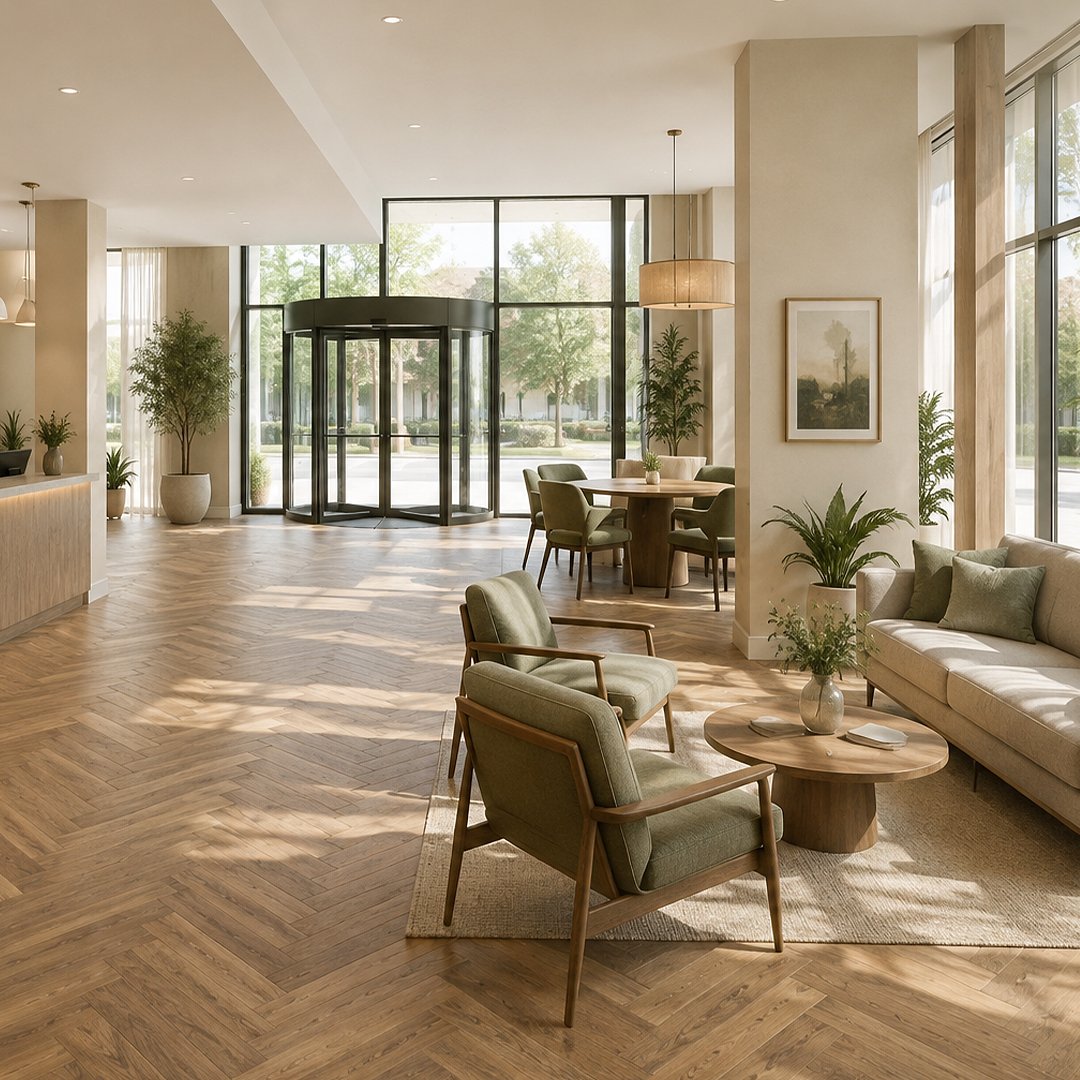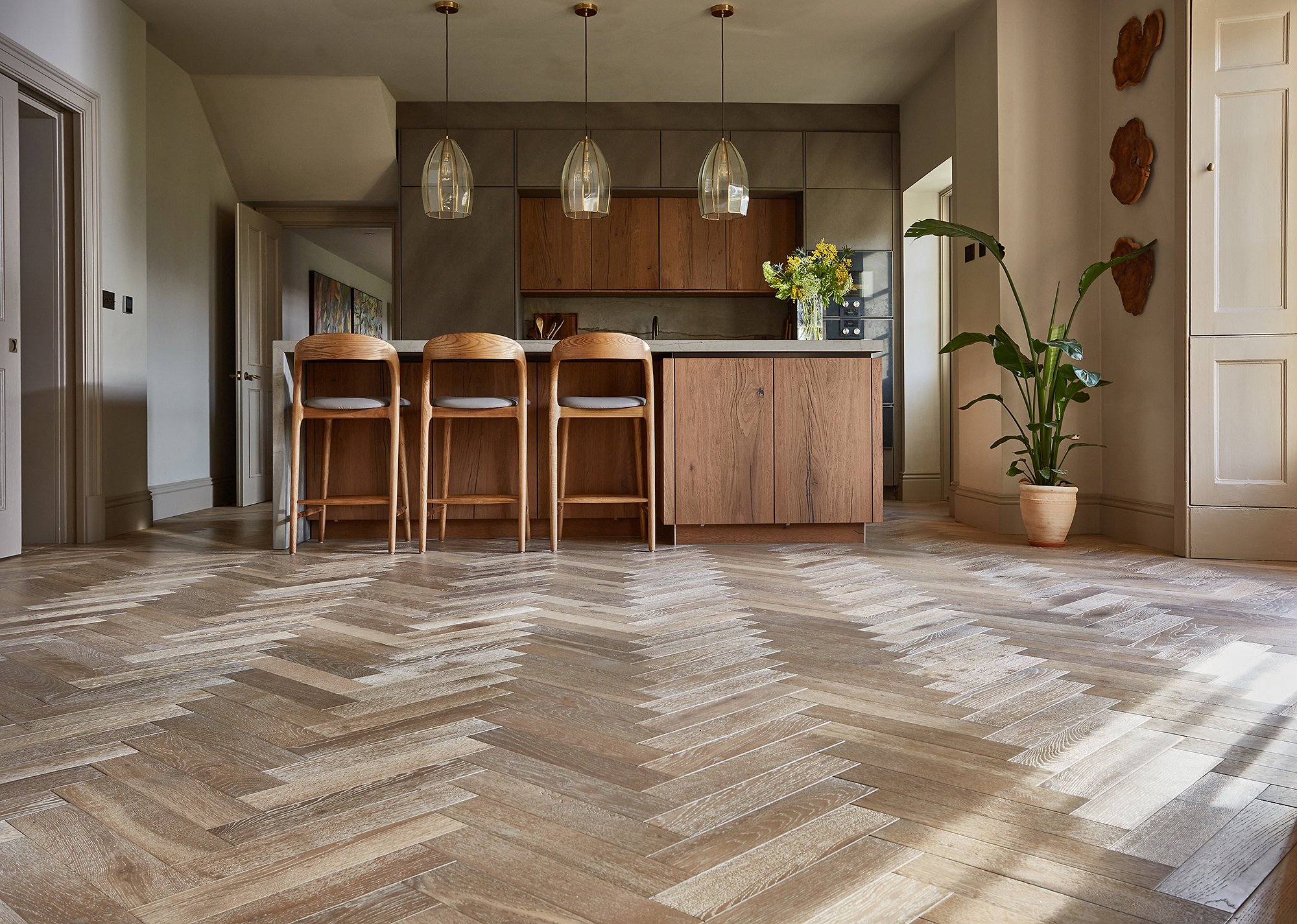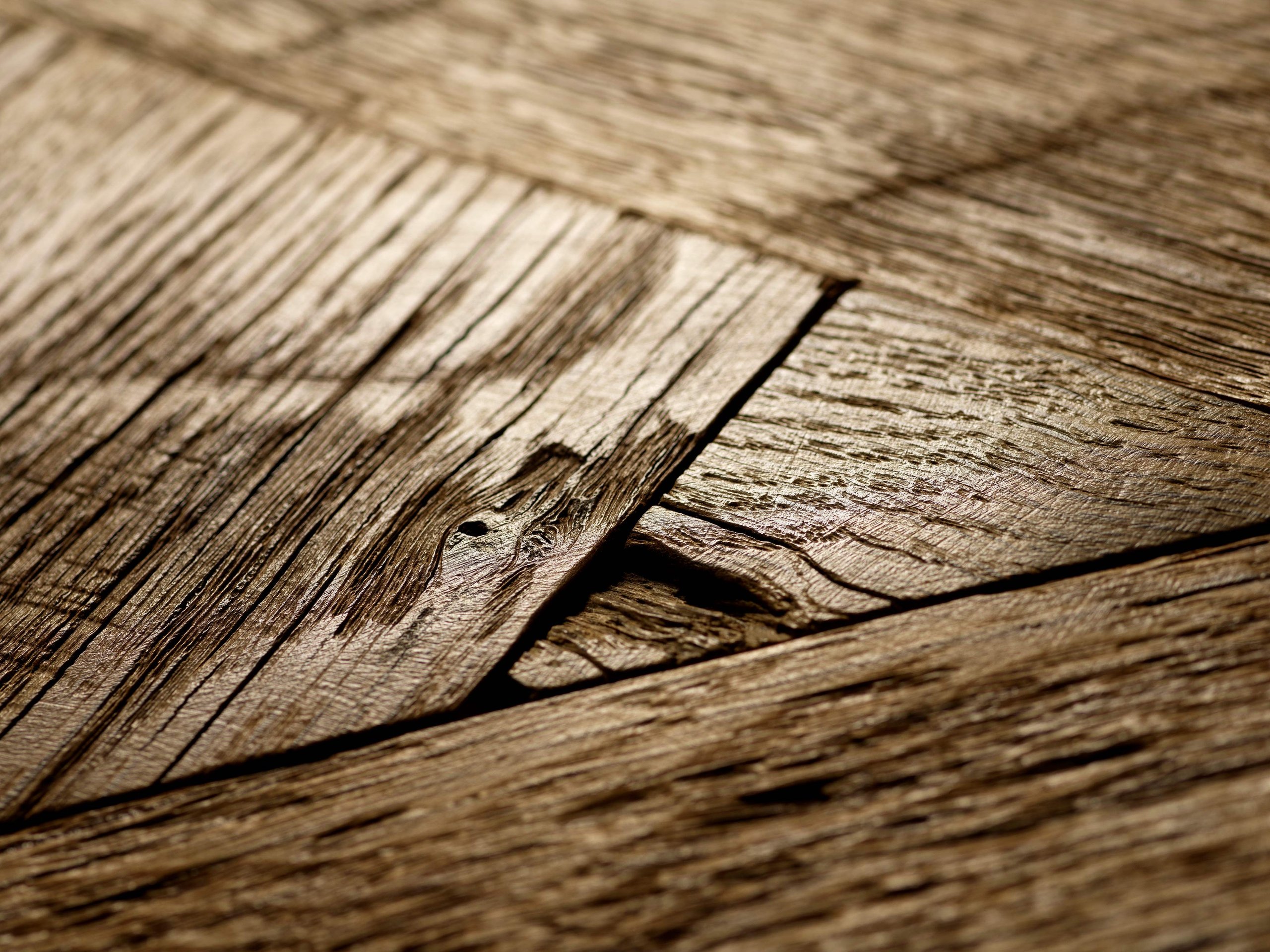
Aged wood flooring brings depth and movement to an interior through saw marks, softened edges, raised knots and gentle undulations. These surface details interact with natural light and reveal the character of the timber across the room.
Woodworks by Ted Todd is Ted Todd’s sister brand and the home of extraordinary British floorcraft within our wider group. Its makers work with exceptional new, aged, antique and reclaimed woods in the Cheshire workshops, combining material knowledge with specialist handcrafting techniques.
The aged textures covered in this guide belong to the Woodworks portfolio. Ted Todd floors carry their own surface textures and individual product specifications.
What is an aged wood flooring texture?
An aged texture gives wood the softened, irregular surface character associated with floors that have experienced generations of use. It may include subtle saw marks, rolling contours, worked knots and edges shaped by hand.
Within Woodworks, Aged, Antique and Reclaimed are distinct material categories. The Aged collection begins with aged French oak, which is seasoned and worked to develop a time-worn surface. Antique and reclaimed floors retain genuine evidence from an earlier life, including historic patina, nail marks and previous repairs.
An aged floor offers the design character of historic timber with a specification developed for contemporary interiors. The texture is considered alongside the grade, format, colour and finish of each floor.

How an aged texture is made
The process begins with the oak itself. Grain, knots, density and natural movement influence the way each board can be worked.
Seasoning allows the timber surface to settle and develop subtle irregularity. From there, the Woodworks makers use a combination of techniques according to the intended character of the floor.
These may include:
- Cross-sawing or skip-sawing to introduce broken marks across the grain
- Sanding to soften or reduce the prominence of those marks
- Scrubbing and working knots to reveal their natural form
- Hand polishing to follow the movement of the grain
- Creating controlled undulations across the surface
- Rolling edges by hand to soften the transition between boards
- Applying oils or lacquers selected for the texture and tone
The work responds to the character of each board. Texture therefore varies naturally across a completed floor, with changes in grain and density influencing every mark and contour.
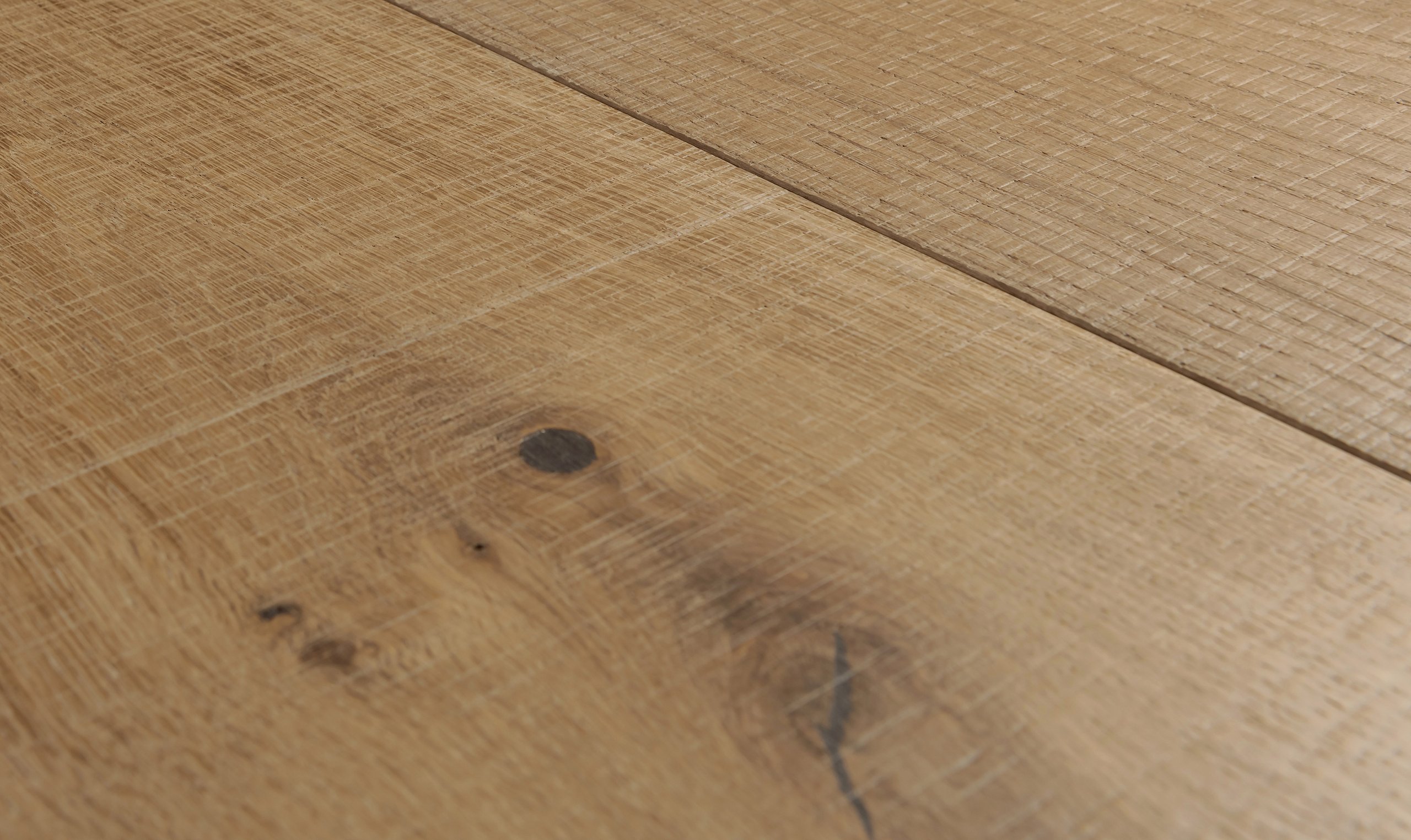
Classic aged texture
Classic aged texture balances visible surface character with a versatile overall appearance. Subdued saw marks travel across parts of the board in a worn, hit-and-miss pattern. Their intensity changes along each board, resembling the uneven wear of an older surface.
Gentle undulations add movement along the length of the timber. Knots are worked to reveal their irregular shape, and softly rolled edges help the boards flow together across the installation.
This texture gives an interior a clear sense of age and material character. Its varied surface remains adaptable across country properties, contemporary homes, hospitality settings and considered commercial spaces, subject to the specification of the selected floor.
Classic aged texture works especially well when the design calls for visible craft at a balanced level. Natural light moving across the boards brings the saw marks and undulations into view throughout the day.

Townhouse aged texture
Townhouse aged texture has a smoother and more refined surface. The boards are sanded flatter, leaving only faint traces of cross-sawn character where the individual floor specification includes them.
Subtle rolling contours remain within the oak, accompanied by treated knots and carefully hand-rolled edges. The worn edge detail gives definition to each board and creates a gently established appearance across the room.
This quieter texture is well suited to interiors with precise joinery, refined furniture and a controlled material palette. It introduces the warmth of aged wood at a restrained visual level.
The smoother surface also allows colour and grain to take a stronger role. Pale finishes create gentle shadows across the undulations. Deeper tones bring greater definition to the edges and natural features.

Country aged texture
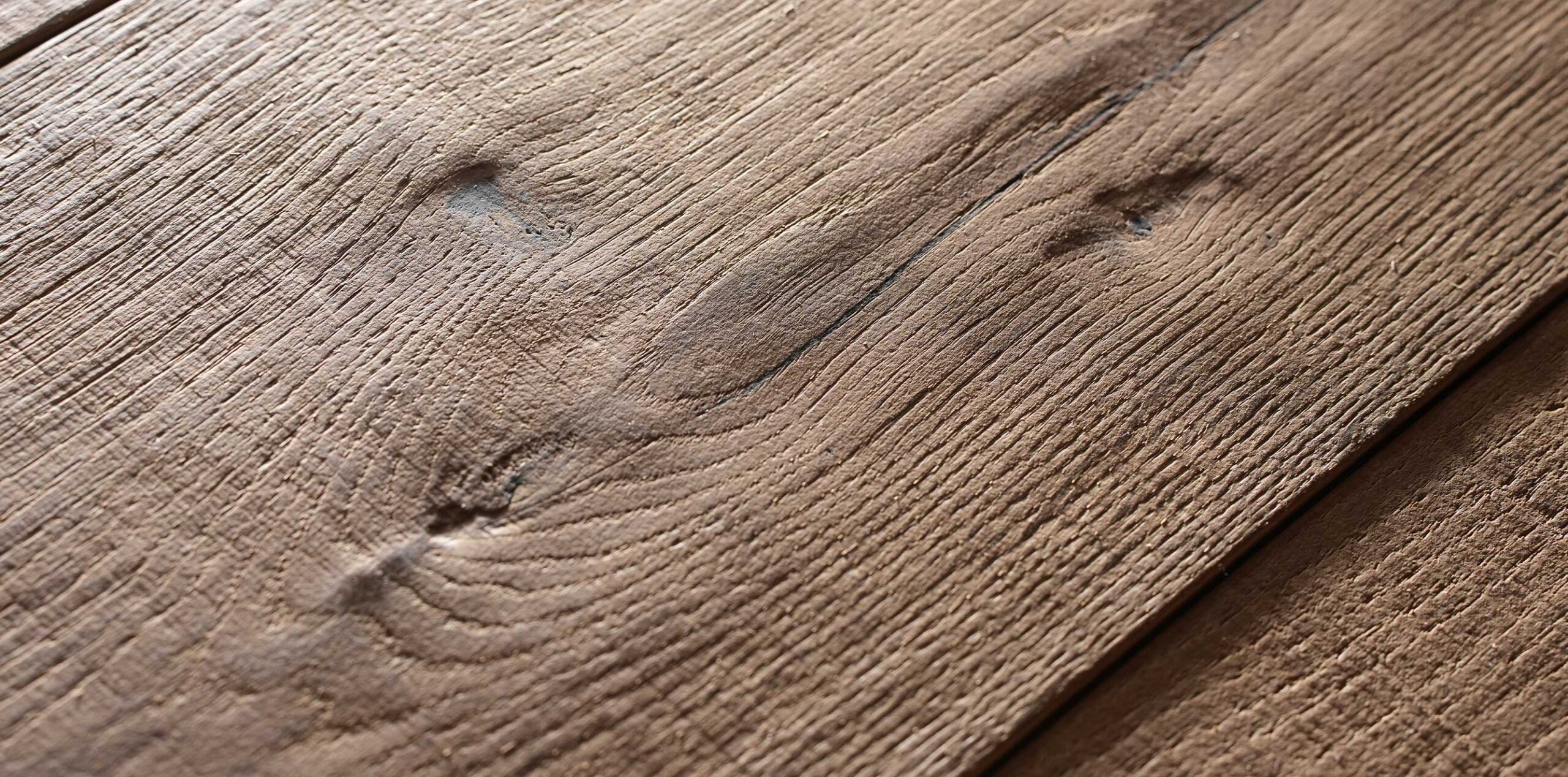
Country aged texture expresses the strongest surface movement of the three directions. Pronounced undulations follow the natural form of the oak, with each board carrying its own contours.
The harder knots can sit above softer areas of surrounding grain, creating an organic rise and fall across the surface. Hand polishing enhances this movement, and worked edges support a continuous flow from board to board.
This texture draws inspiration from the varied surfaces found in historic timber floors. It gives a project a substantial material presence and works particularly well across generous planks and random-width layouts, where the individuality of each board can be fully appreciated.
Country aged texture can bring warmth to large residential interiors, rural properties, restaurants, hotels and reception spaces. Lighting should be considered carefully, as light travelling across the floor will emphasise its contours and edge detail.

How format changes the texture
The same family of surface techniques can appear very different across planks, herringbone, chevron and parquet panels.
Long or random-width planks allow undulations and grain movement to travel through the room. The eye follows each board, making changes in width, tone and surface character easier to appreciate.
Herringbone and chevron place textured elements in alternating directions. Light reaches each block at a different angle, giving the pattern greater definition and movement.
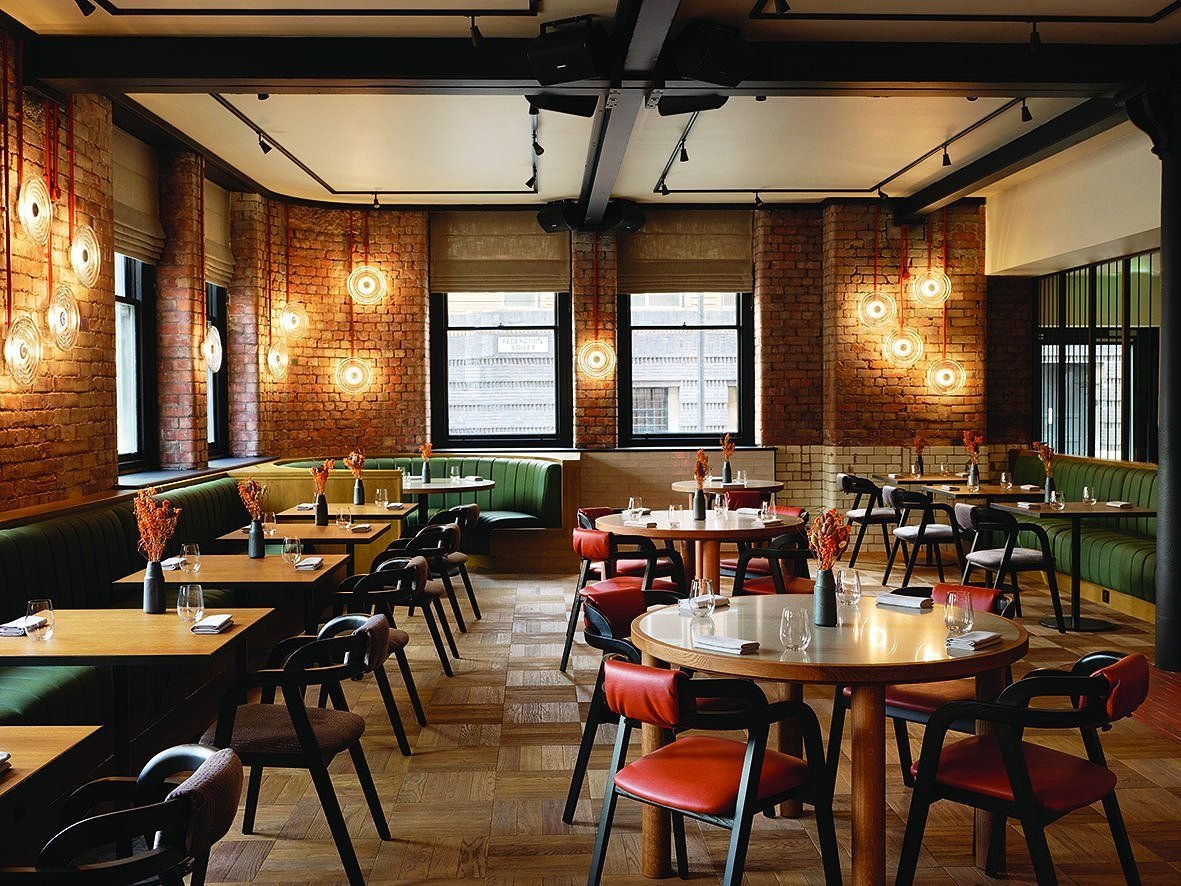
Parquet de Versailles panels combine texture with more intricate geometry. Hand-worked surfaces soften the precision of the pattern and give the panel an established architectural character.
The scale of the room, viewing distance and position of the main light sources should all inform the selected format.
How grade influences an aged floor
The Woodworks Aged collection uses rustic grade French oak. Knots, colour variation, grain movement and other natural features form an important part of its appearance.
Texture interacts with these characteristics. Saw marks may break across straight grain, then change as they meet a knot. Undulations can become more pronounced where timber density varies. Finishes settle differently across raised and recessed areas, producing subtle tonal shifts.
Representative samples are important when specifying a rustic aged floor. A single small sample shows one section of timber. Review a larger reference panel or installed floor to understand the broader balance of colour and character.
Choosing the right level of texture
Begin with the role the floor will play within the interior. A more restrained surface can support detailed furniture, artwork and architectural finishes. Pronounced texture gives the timber a stronger visual and tactile presence.
Consider:
- The size and proportions of the room
- The amount and direction of natural light
- The selected plank, block or panel format
- The wider material and colour palette
- The expected level of footfall
- Cleaning and maintenance requirements
- The degree of natural variation desired across the floor
The complete floor specification should also be checked for construction, thickness, wear layer, edge detail, finish, certification and project suitability.

Colour and finish
Colour can amplify or soften an aged texture. Pale and neutral tones reveal shadow gently, creating an understated view of surface movement. Medium and dark finishes add contrast around knots, saw marks and rolled edges.
Sheen level also changes how the floor responds to light. A super-matt surface absorbs more reflection and gives the timber a quieter appearance. Satin finishes catch highlights across raised sections and make undulations more visible.
Woodworks selects oils and lacquers in response to the timber and intended character of each floor. Refer to the relevant product specification for the exact finish and assigned care system.
Installation considerations
A textured aged floor should be installed by an experienced wood-flooring professional. The boards need to be dry-laid and blended across the room so that changes in tone, width and surface character feel balanced.
Hand-rolled edges and irregular surface movement form part of the design. Your installer should review these details alongside the proposed fitting direction, borders, thresholds and architectural features.
Some Woodworks floors include specific installation recommendations, such as discreet gaps between boards to express an authentic aged character. Follow the complete technical guidance supplied for the selected product.
Caring for aged wood flooring
Textured floors benefit from regular dry cleaning with a soft broom or a vacuum fitted with a suitable hard-floor attachment. Follow the direction of the grain and work carefully around deeper surface detail.
Use the cleaning and maintenance products identified by the floor’s assigned care system. Excess water, steam cleaning and abrasive household products can damage wood and its finish.
Visit Ted Todd Floor Care for compatible products and guidance, and always refer to the individual Woodworks specification.
Explore Woodworks aged floors
Aged texture gives timber an established character through controlled seasoning, skilled surface work and an understanding of how oak changes across every board. Classic, Townhouse and Country textures offer different levels of movement, allowing the floor to respond closely to the architecture and atmosphere of a project.
Explore the Woodworks Aged collection, or contact the Woodworks team to discuss samples, formats and the right texture for your project.