Why is wood flooring sustainable? 5 reasons to choose real wood
Wood flooring combines natural character with the potential for a long and useful life. The timber comes from a renewable source, stores carbon as it remains in use and can often be maintained, repaired or restored as the interior changes.
These qualities can support a more considered material specification. Their value depends on where the wood comes from, how the floor is made, how long it performs and what happens when its original use comes to an end.
Here are five reasons wood flooring can be a sustainable choice, along with the evidence to check before selecting a floor for your project.

Is wood flooring sustainable?
Wood flooring can form part of a sustainable interior when the timber is responsibly sourced and the complete floor is designed for long-term use. Certification, construction, finish, installation, maintenance and end-of-life planning all influence its environmental performance.
The origin of the wood provides an important starting point. FSC™ and PEFC certification offer independent evidence of responsible forest management and traceability through the supply chain. Reclaimed timber keeps an existing resource in use and brings its established character into a new setting.
A whole-life assessment gives the clearest picture. It considers the impacts associated with forestry, manufacture, transport, installation, maintenance, repair and eventual recovery or disposal. Where available, an Environmental Product Declaration can provide product-specific information based on a recognised assessment method.
1. Timber stores carbon throughout the floor’s useful life
Trees absorb carbon dioxide from the atmosphere as they grow. Some of that carbon remains stored within the timber after it has been harvested and made into a product.
When timber from a sustainably managed forest becomes part of a building, it can retain this carbon for the duration of its service life. Keeping a wood floor in use through maintenance, repair and restoration extends that period. Reuse can carry the material and its stored carbon into another application.
The UK government’s Timber in Construction Roadmap recognises that sustainably sourced timber products act as a carbon store. It also identifies flooring as one of timber’s important non-structural uses within buildings.
A wood floor still has an environmental footprint. Energy and materials are used during harvesting, drying, machining, finishing, transport and installation. Maintenance and end-of-life treatment also contribute. Phrases such as “zero carbon footprint” or “carbon neutral” therefore require product-specific evidence covering the full scope of the claim.
Carbon storage is one part of the specification. Verified lifecycle information can help a designer assess it alongside manufacturing emissions, transport distances, expected service life and the proposed end-of-life route.

2. Certified wood supports responsible forest management
Wood is renewable when forests are managed to regenerate and remain healthy. Certification helps establish whether that responsibility extends from the forest through every stage of the supply chain.
FSC™ forest management and chain-of-custody certification assesses forests against environmental, social and economic requirements, then tracks certified or reclaimed material through processing, manufacturing and distribution. PEFC certification also combines sustainable forest management requirements with chain-of-custody controls for forest-based products.
Certification gives architects, designers and homeowners a recognised form of evidence. The label attached to the individual floor matters because a company can offer both certified and uncertified products. Check whether the applicable claim is FSC™ 100%, FSC™ Mix, FSC™ Recycled or a PEFC category, then retain the documentation required for the project.
Ted Todd became the first UK wood flooring company to achieve full FSC™ chain-of-custody certification in 1997. The vast majority of Ted Todd’s new wood floors now carry FSC™ or PEFC certification, with the relevant credential identified for each product.
Responsible sourcing also covers biodiversity, soil and water systems, workers and forest communities. Certification provides a framework for assessing these wider responsibilities and tracing the resulting timber.
3. A durable wood floor can reduce the need for replacement
The useful life of a material has a direct bearing on its environmental impact. Every replacement requires new raw materials, manufacturing, transport, installation and the removal of the previous surface.
A well-specified wood floor can remain in place for decades. Timber species, construction, wear layer, finish and installation method should all suit the room’s expected footfall and environmental conditions. Correct subfloor preparation and moisture control are equally important.
Engineered wood flooring provides additional dimensional stability through its layered construction. It can be suitable for many contemporary homes and commercial interiors, including projects with underfloor heating when the individual product and complete installation follow the relevant technical guidance.
Solid wood has a substantial construction made from a single piece of timber. Its suitability depends on the subfloor, heating system, temperature and humidity conditions. Both solid and engineered floors can support a long service life when the specification matches the space.
Finish plays a practical role. A surface selected for the anticipated footfall, spill risk and maintenance routine will help protect the timber during everyday use. Regular cleaning with the correct products prevents grit and unsuitable chemicals from damaging that protection.
Ted Todd solid and engineered wood floors carry a 30-year structural warranty, subject to the installation, site conditions and maintenance requirements within the warranty terms. The warranty covers structural defects. Surface wear and appearance continue to depend on use and ongoing care.
4. Wood flooring can be maintained, repaired and refinished
Real wood offers several routes for extending the life of an existing floor. The appropriate treatment depends on its construction, finish, texture, wear layer and condition.
Routine cleaning removes dust and grit before they wear the surface. Oiled floors may be replenished or recoated, while some lacquered floors can be prepared and refinished. Localised damage can sometimes be repaired, and individual boards may be replaced where the installation allows.
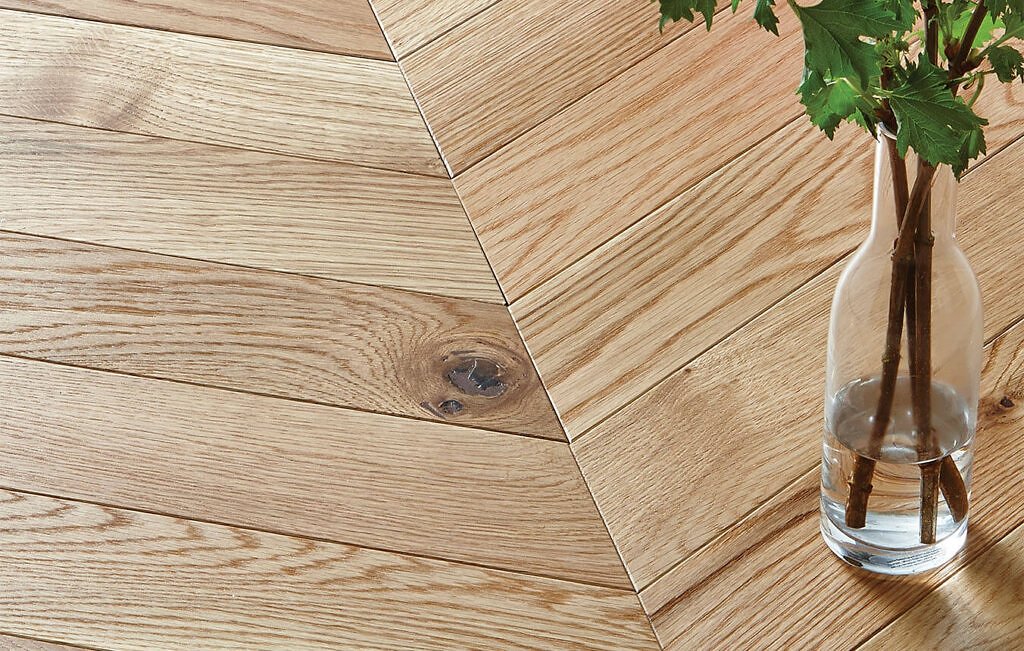
Sanding can remove established wear and provide a fresh surface for a new finish. The available wear layer determines how much timber can safely be removed. A 4mm or 6mm wear layer generally provides useful scope for future refinishing, although deep textures, previous sanding and the condition of the boards must be assessed first.
Restoration can also allow a floor to respond to a new interior scheme. A carefully prepared surface may be recoated in a different tone or sheen while the original timber remains in place. This preserves the material already invested in the building and avoids the disruption of complete replacement.
Plan for maintenance when choosing the floor. Confirm the correct Ted Todd floor care system, keep the product information and retain spare boards where practical. These small decisions can make future repair easier.
5. Wood can support reuse and a circular approach to materials
The waste hierarchy places prevention first, followed by preparing products for reuse, recycling, other recovery and disposal. For flooring, this encourages a simple priority: keep the existing material in useful service for as long as possible.
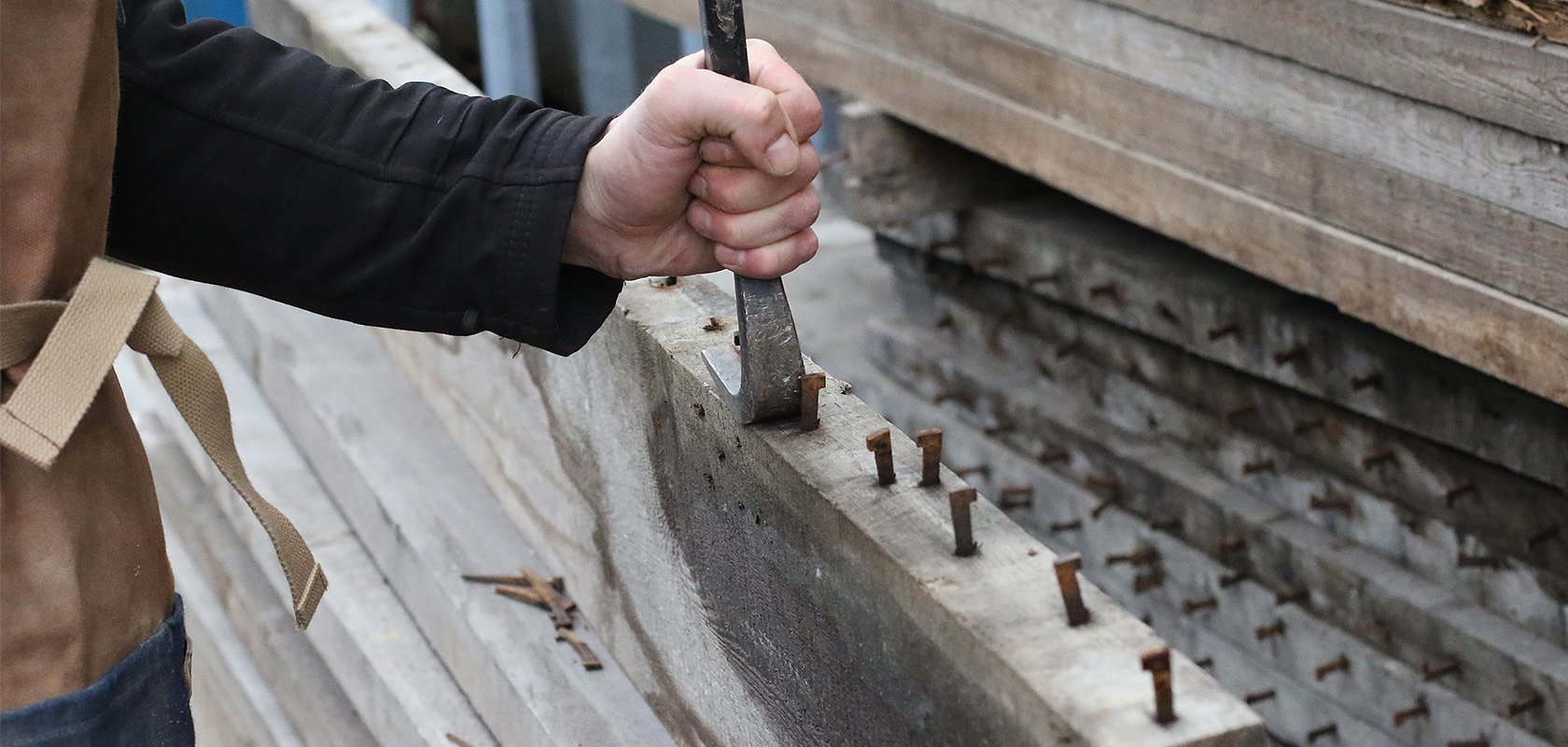
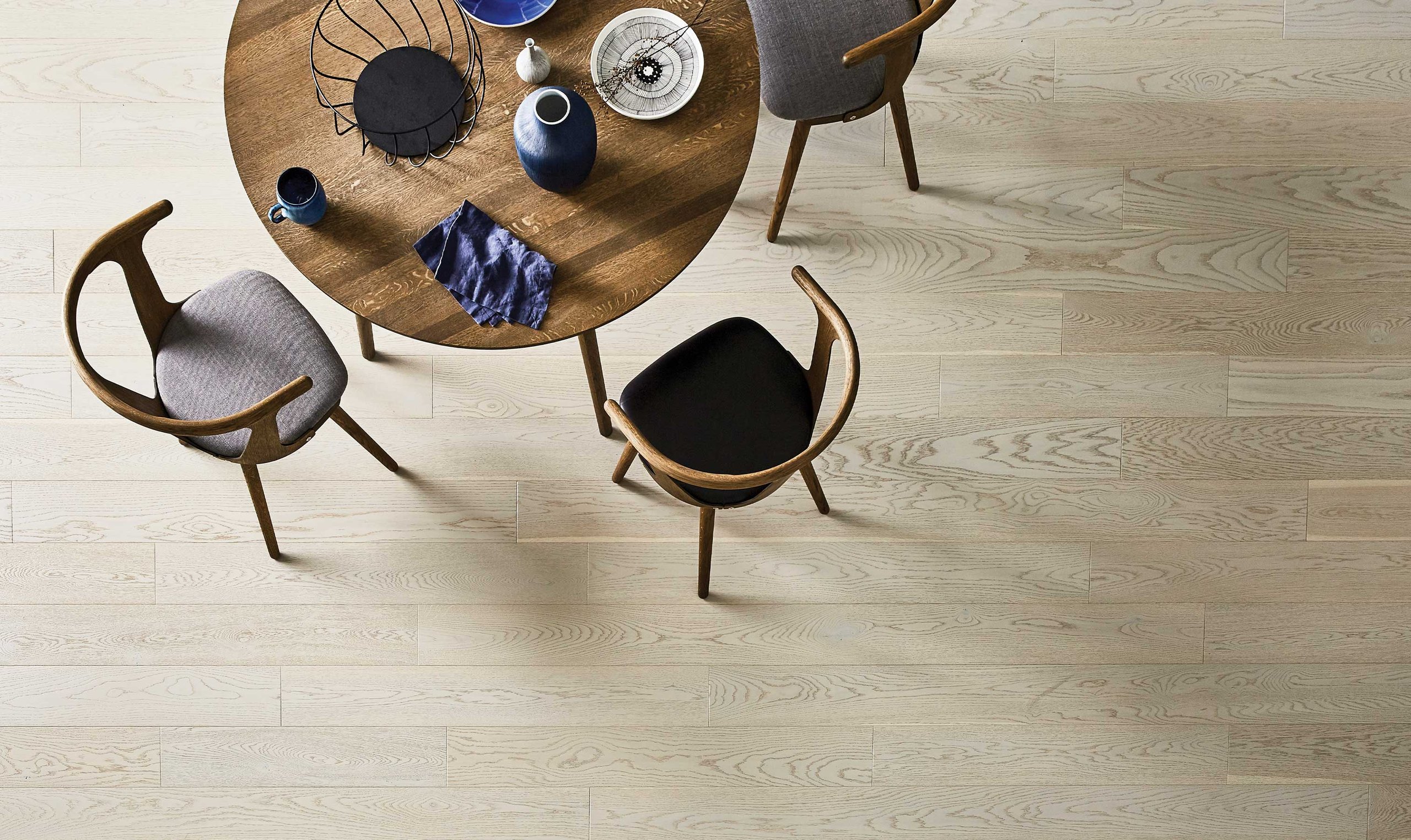
Reclaimed wood demonstrates this principle directly. Timber recovered from buildings, structures and other previous applications can be cleaned, de-nailed, dried, assessed and crafted into a new floor. Its nail holes, weathering, patina and tonal variation record the material’s earlier life.
Ted Todd began by reclaiming and restoring timber in 1993. That expertise continues through our sister brand, Woodworks by Ted Todd, which works extensively in reclaimed wood flooring. Here, established material is prepared for a new architectural setting. Reworked end-of-line timber has also been used within our Cheshire Design Centre.
The same thinking can be applied to a floor already installed in a project. Care and repair prevent avoidable waste. Refurbishment can prepare the surface for another phase of use. Where lifting is practical, suitable boards may be reused in another room or building.
End-of-life options depend on the complete floor. Adhesive, underlay, finish, contamination, fixings and the condition of the timber can all affect whether boards are suitable for reuse, repurposing or recycling. Local facilities and their acceptance criteria also vary.
Early planning creates more possibilities. A reversible installation method, accurate records and retained spare material can support future recovery. The current waste hierarchy for England provides a useful framework for those decisions.
How to choose more sustainable wood flooring
Environmental descriptions should be supported by clear information for the exact floor. Use the following points when comparing products:
- Confirm the timber source: Look for an FSC™ or PEFC claim on the individual product and check the accompanying chain-of-custody information.
- Consider reclaimed wood: Existing timber can keep a valuable resource in circulation while bringing established character and provenance to the project.
- Review the construction: Check the complete material build-up, overall thickness and depth of the real wood wear layer.
- Match the floor to the space: Expected footfall, moisture, underfloor heating and site conditions should guide the construction and finish.
- Plan for maintenance: Understand how the finish should be cleaned, replenished or recoated and how local damage could be repaired.
- Assess future refinishing: A deeper wear layer can provide greater scope for sanding. Surface texture and the likely sanding depth should form part of the decision.
- Check the warranty: Read its coverage, conditions and exclusions. A warranty can support confidence in structural performance, while care remains essential throughout the floor’s life.
- Request lifecycle evidence: Review an Environmental Product Declaration or other verified environmental data where available, including the boundaries and assumptions used.
- Think about installation and recovery: Adhesives, fixings, underlays and membranes affect the complete footprint and the ease with which the floor may eventually be lifted.
- Choose for lasting relevance: Colour, format and texture should suit the architecture and remain adaptable as furniture and decorative finishes change.
Frequently asked questions about sustainable wood flooring
Is wood flooring carbon neutral?
Carbon neutrality cannot be assumed from the material alone. Timber stores carbon absorbed while the tree was growing, while the finished floor also carries impacts from forestry, manufacture, finishing, transport, installation, maintenance and end-of-life treatment. Any carbon-neutral claim needs evidence defining the product, lifecycle stages, calculation method and use of offsets.
Is engineered wood flooring sustainable?
Engineered wood flooring can support a sustainable specification through responsible timber sourcing, stability, durability and the potential for maintenance or refinishing. Review the certified content, supporting layers, adhesives, finish, wear-layer depth, emissions information and expected service life for the individual product.
Is reclaimed wood flooring more sustainable?
Reclaimed flooring keeps existing timber in use and reduces demand for newly harvested material within that application. Cleaning, restoration, transport and manufacture still have impacts, so product-specific information remains valuable. Its greatest strength lies in retaining an established resource at a high-value use.
How long does wood flooring last?
A correctly specified, professionally installed and properly maintained wood floor can remain in use for decades. Construction, wear layer, finish, footfall, indoor conditions and care will influence its service life. Restoration may extend that life further.
Can wood flooring be sanded and refinished?
Many solid and engineered wood floors can be refinished. Suitability depends on the available timber above the tongue or core, the surface texture, earlier sanding and the current condition. Ask a wood floor specialist to assess the floor before work begins.
Can a wood floor be recycled?
Wood may be suitable for reuse, repurposing or recycling through an appropriate local route. Finish, adhesive, contamination, nails and construction affect the options. Reuse and repair should be explored early because they retain more of the existing material and its value.
What does FSC™-certified flooring mean?
An FSC™ claim confirms that the forest-based material used in the product has met the requirements for its applicable FSC™ label and has been tracked through certified organisations in the supply chain. Check whether the floor is FSC™ 100%, FSC™ Mix or FSC™ Recycled and retain the relevant sales documentation.
Choose a wood floor for long-term use
The environmental value of wood flooring is built through connected decisions. Responsible sourcing establishes where the timber began. Suitable construction and finish help it perform. Maintenance, repair and restoration keep it in use, while thoughtful installation can support later recovery.
These considerations also produce a better floor: one selected for the architecture, practical demands and intended life of the interior.
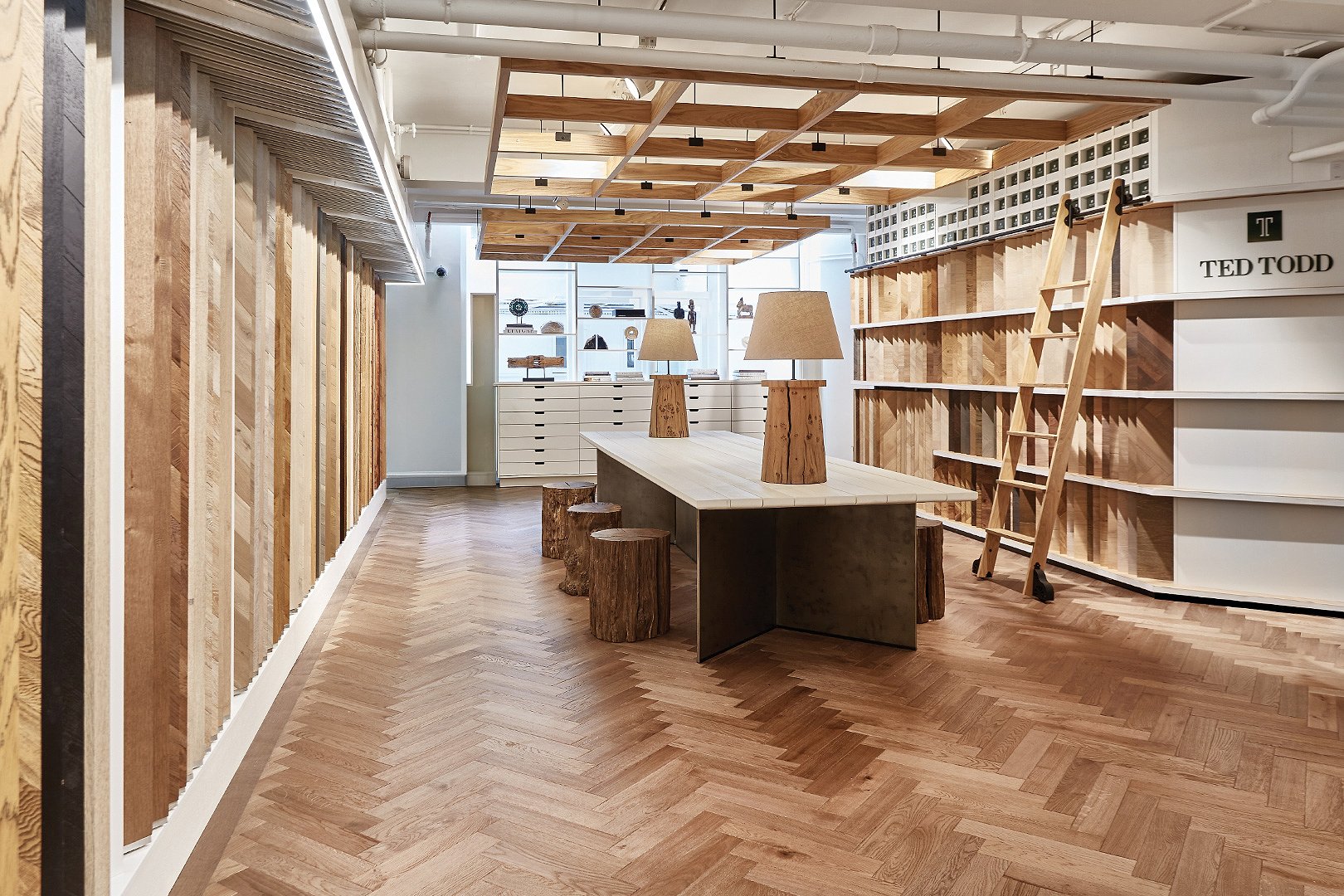
Explore Ted Todd wood flooring, order free samples, or visit our Cheshire or London Design Centre to compare larger flooring panels. For support with a residential or commercial project, contact our wood flooring experts.